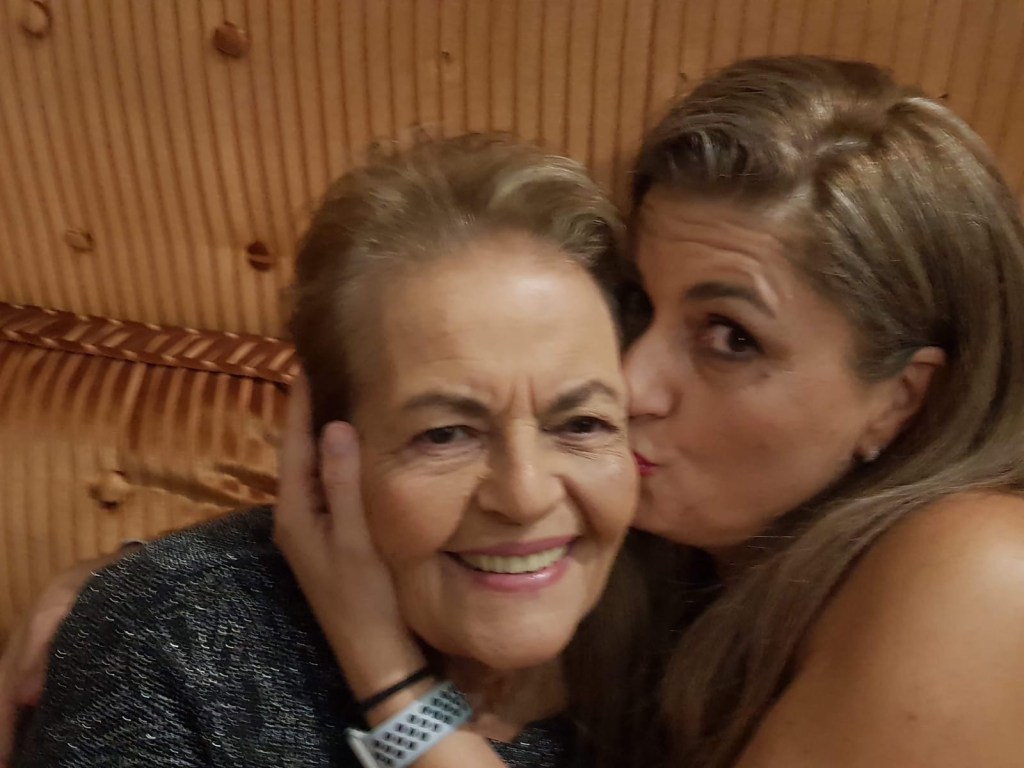
What About Me? It Isn’t Fair
“What about me? It isn’t fair, I’ve had enough and want my share, lah lah lah.” Most of you have heard the song and know how it goes. I used to sing it often as a child when left behind by my older sisters. I wanted in and couldn’t understand why I wasn’t included. Fast forward to today, and the song comes to mind for a different reason. As children of parents in a generation with the highest rates of dementia, we are facing unprecedented challenges, and that’s when the song pops into my head.
Most of us have the best of intentions when navigating the uncharted waters of caring for our loved ones who are experiencing dementia. We think, “We will be fine, we will tackle each day as it comes, and we will be united so we will make it through.” Although this is true to a great extent, if I knew then what I know now, I would never have believed it. Each day is different from the last. Life is hard—you are always trying to juggle your time, your sanity, and, for me at least, the guilt and grief.
Today’s post is about helping you help yourself. I know how hard it can be at any stage of looking after someone with dementia. Whether it’s the physical toll of sleepless nights, helping someone toilet, or the mental toll of answering the same question again and again and watching that person slowly change, it is all so tiring and taxing on your health. So, I thought we could have a little self-love time, just you and me, my friend.
Tips for Taking Care of Yourself
- Begin your day with a simple, calming routine. This could include a few minutes of stretching, a healthy breakfast, a walk in nature, and a moment of quiet reflection or meditation.
- Meditation is a great tool in your arsenal. It allows you to totally reset and gain perspective. It decreases depression, anxiety, stress, and loneliness while increasing positive emotions, emotional regulation, social connections, focus, attention, memory, and innovative thinking.
- Breaks. Yes, I know it isn’t always possible because they need you, right? But just as new mothers take breaks when their baby sleeps, so should you when the person you care for is resting. If they are safe and you are able, please take that time for yourself. Every day if possible, get out, go for a little stroll, breathe some fresh air, and get some sun on your skin—safely, of course.
- Diet. I know we harp on about it, but just because you are busy, please don’t let your diet go downhill. Try to make meal prep part of your week. I set aside a couple of hours on Sunday mornings for cooking and meal prep. I spend half an hour planning the week on Saturday so I know what to buy. Online shopping helps avoid wasting precious downtime. Make sure you have plenty of healthy snacks on hand so that when you are busy, you don’t need to reach for junk food. Remember your brain health diet, ketoflex 12/3. You can find tips on this in my previous blogs or click here on my ETSY store for a meal plan.
- Exercise. Find some physical activity that you enjoy. This could be a daily walk, yoga, or a workout video at home. Physical exercise helps reduce stress and boosts your energy levels. I am particularly partial to yoga. It ticks all the boxes: it is physically and mentally challenging and can connect you with a great like-minded community.
- Sleep. Sleep isn’t just a luxury—it’s essential. As caregivers, we know how much better we function with a good night’s rest. Establishing a regular sleep routine can make all the difference. Try to go to bed and wake up at the same time every day. A calming bedtime ritual can help signal to your body that it’s time to rest. Remember, taking care of yourself is just as important as caring for your loved one.
Mental and Emotional Well-being
- Mindfulness and Relaxation: Practice mindfulness techniques such as deep breathing, meditation, or progressive muscle relaxation. Apps like Headspace or Calm can be helpful.
- Engage in Hobbies: Make time for activities you enjoy, whether it’s reading, gardening, painting, or listening to music. Engaging in hobbies can provide a much-needed mental break. Or even try a new one—connecting with people is very important for our mental health.
- Stay Connected: Maintain social connections with friends and family. Regular phone calls, video chats, or occasional meet-ups can provide emotional support and reduce feelings of isolation.
- Journaling: Write down your thoughts and feelings. Journaling can be a therapeutic way to process your emotions and reflect on your experiences. This is a big one for me. Pouring it all out on paper can be so cathartic. Start slow if you’ve never really been into it. I bought a beautiful journal that I love to look at. I started writing a rundown of the day and slowly progressed to writing about my feelings. That’s when the magic happens—just start somewhere.
Help!!!
If you are struggling, there are services out there to help. Call a mental health line and talk about it—the people on the other end are professionals, and best of all, it’s free. Get in contact with services in your area. Depending on where you live, you may be able to access disability carers who can help you care for your loved ones, respite care, or even groups where you can send them, knowing they are safe and well-cared-for. Support groups can support you through your journey—they know what you’re going through like no one else. I am in Australia, so some of these recommendations are specific to Australia. If you are overseas, try doing an internet search on the topics I mentioned for more information specific to your country.
I can say definitively that this is a hard road we are on. As I said earlier, we are some of the first in our generation with this kind of responsibility. Acknowledge the amazing job you are doing and pat yourself on the back. We need to love ourselves and be proud of ourselves—we are doing a good thing. The best thing. Love yourself in any way you can!


 The Healthy Brain
Leave a reply to brainhealthketo Cancel reply